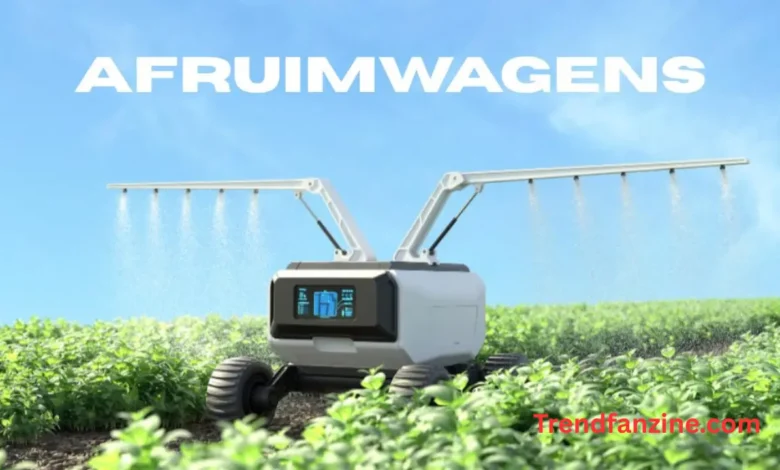
Afruimwagens play an increasingly important role in how materials are collected, transported, and managed across many industries. From agriculture and hospitality to industrial logistics and municipal services, these practical vehicles help businesses work faster, safer, and more efficiently. While they may look simple at first glance, modern afruimwagens are the result of years of development focused on durability, ergonomics, and operational efficiency.
This article explores what afruimwagens are, how they are used, why they are valuable, and how they are evolving to meet modern demands.
What Are Afruimwagens?
Afruimwagens are purpose-built transport and collection vehicles designed to support material handling tasks. Their primary function is to make the process of clearing, collecting, and moving goods easier while reducing physical strain on workers. Traditionally associated with agriculture, afruimwagens are now used in a wide range of professional environments.
They are typically built with a strong frame, stable wheels, and a load platform or container that can handle repeated use. Depending on the application, they may be manually operated or equipped with mechanical or hydraulic support systems. Their design prioritizes balance, safety, and ease of movement, even when carrying heavy or uneven loads.
Why Afruimwagens Are Becoming More Important
Across industries, businesses face growing pressure to improve productivity while lowering operational costs and minimizing environmental impact. Afruimwagens directly address these challenges by streamlining daily workflows and reducing reliance on manual labor.
In sectors where repetitive lifting and transporting are common, these vehicles help reduce workplace injuries and fatigue. At the same time, they allow teams to complete tasks more quickly, which leads to smoother operations and better overall efficiency. As sustainability and smart working practices gain importance worldwide, afruimwagens continue to gain relevance.
Core Design and Functional Features
The effectiveness of afruimwagens lies in their thoughtful design. Modern models are engineered to handle demanding environments without sacrificing usability.
Strong structural frames ensure long-term durability, even under heavy loads. High-quality wheels provide stability on different surfaces, from farm fields to warehouse floors. Many afruimwagens now include mechanical enhancements such as assisted steering, hydraulic lifting systems, and advanced braking mechanisms. These features allow operators to move heavier loads with greater control and less effort.
Customization is another key feature. Modular designs allow users to adapt platforms, containers, or attachments based on specific operational needs. This flexibility makes afruimwagens suitable for a wide variety of tasks.
Types of Afruimwagens and Their Applications
Different industries require different solutions, and afruimwagens have evolved to meet those needs.
In agriculture, they are used to transport harvested crops, animal feed, tools, and supplies across uneven terrain. Their robust construction allows them to perform reliably outdoors and in changing weather conditions.
Industrial environments use afruimwagens to support internal logistics. They help move raw materials, components, and finished products efficiently, reducing downtime and improving workflow coordination.
In hospitality and food service settings, afruimwagens are essential for clearing dishes, transporting food supplies, and maintaining cleanliness. These models are often designed with hygiene, smooth movement, and compact size in mind to suit indoor environments.
Municipal services rely on afruimwagens for waste collection, street cleaning, and public space maintenance. Their high load capacity and durability make them ideal for continuous use in urban areas.
Benefits of Using Afruimwagens
One of the most significant advantages of afruimwagens is improved efficiency. By simplifying material handling, they reduce the time and effort required to complete routine tasks. This leads to higher productivity across teams and departments.
Cost reduction is another major benefit. With less manual labor required, businesses can lower staffing strain and reduce the risk of injury-related downtime. Over time, this results in meaningful operational savings.
Versatility is also a key strength. Afruimwagens can be used across multiple industries and adapted for different tasks, making them a valuable long-term investment. Their ability to support safer handling practices further enhances their value by reducing workplace accidents and improving employee well-being.
Afruimwagens in Modern Farming and Industry
In modern agriculture, afruimwagens support precision farming practices by ensuring efficient handling of inputs and outputs. They help farmers manage resources more effectively and integrate smoothly with data-driven farming systems.
In industrial and logistics settings, afruimwagens contribute to organized workflows and faster material movement. In urban environments, they support cleaner, more efficient public services. Their adaptability makes them suitable for both small operations and large-scale enterprises.
How to Choose the Right Afruimwagen
Selecting the right afruimwagen depends on several factors. Business or farm size plays a major role, as larger operations may require higher load capacity and advanced features.
Terrain and workload are also important considerations. Outdoor environments may require stronger wheels and suspension systems, while indoor use may prioritize maneuverability and compact design.
Budget considerations should balance initial cost with long-term value. Investing in a durable, high-quality model often results in better performance and lower maintenance costs over time. Brand reliability and access to after-sales support are equally important for ensuring consistent operation.
Safe Operation and Maintenance Practices
Proper use and maintenance are essential to maximizing the lifespan of afruimwagens. Regular pre-operation checks help identify potential issues before they become serious problems.
Operators should always follow recommended loading limits and usage guidelines to prevent equipment damage and safety risks. Routine cleaning and lubrication keep moving parts functioning smoothly and protect against wear.
Training is another critical factor. Well-trained operators use afruimwagens more effectively and safely, ensuring compliance with workplace standards and regulations.
Environmental Impact and Sustainability
Modern afruimwagens are increasingly designed with sustainability in mind. Efficient load handling and optimized transport cycles reduce energy use and emissions. Some models now incorporate electric or low-emission power systems to support greener operations.
By reducing waste, improving energy efficiency, and supporting environmentally responsible workflows, afruimwagens help organizations align with sustainability goals while maintaining productivity.
Challenges and Limitations
Despite their advantages, afruimwagens do have limitations. High-quality models often require a higher initial investment, which may be challenging for smaller businesses. However, the long-term savings in labor and efficiency often justify the cost.
Advanced models may also require skilled operators and regular maintenance. Without proper training, users may not fully benefit from the equipment’s capabilities.
Future Trends in Afruimwagens
The future of afruimwagens is closely tied to technological innovation. Automation and artificial intelligence are expected to play a larger role, enabling semi-autonomous movement and more precise load handling.
Smart sensors and data monitoring systems will allow continuous performance tracking and predictive maintenance. These advancements will help organizations reduce downtime and extend equipment life.
Eco-friendly designs, including electric afruimwagens, are also expected to grow in popularity as industries focus more on sustainability and environmental responsibility.
Conclusion
Afruimwagens have evolved into essential tools for efficient material handling across agriculture, industry, hospitality, and municipal services. Their ability to reduce manual labor, improve safety, and enhance productivity makes them a valuable asset in modern operations.
As technology advances and sustainability becomes a greater priority, afruimwagens will continue to adapt and remain relevant. With proper selection, training, and maintenance, they offer long-term value and reliable performance for a wide range of professional applications.
Frequently Asked Questions
What are afruimwagens mainly used for?
They are used to collect, transport, and manage materials efficiently in agriculture, industry, hospitality, and public services.
Are afruimwagens cost-effective?
Yes, they often reduce labor costs and improve efficiency, providing strong long-term value.
How long do afruimwagens last?
With proper maintenance and correct usage, they can last many years in demanding environments.
Are afruimwagens environmentally friendly?
Modern designs focus on efficiency and low emissions, with electric options supporting sustainable operations.
Can afruimwagens be customized?
Many models offer modular designs that can be adapted to specific tasks and industries.